Gaddy Font: A Casual Typeface for Modern Branding
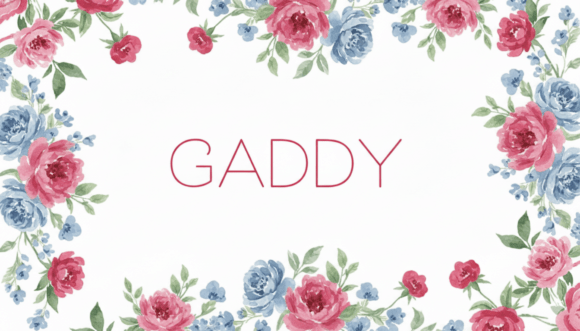
When I first opened my design software to start a new brand identity project for a local artisan coffee roaster, I knew I needed something that felt approachable yet distinct. The client wanted to move away from the stiff, corporate aesthetics that dominate the industry and instead embrace a vibe that was warm, inviting, and slightly playful. That is when I turned to Gaddy, a casual font that has a cute style which immediately caught my eye. As a graphic designer, finding the right balance between professionalism and personality is often the hardest part of the job, but Gaddy seemed to offer that sweet spot right out of the gate. This sans serif typeface is not just another addition to my library of fonts; it is a versatile tool that brings a specific mood to any layout it touches.
Testing Gaddy for Logo Design and Brand Identity
The first place I always test a new typeface is in the logo draft. For this coffee brand, the goal was to create a mark that looked good on a storefront sign as well as on a small social media avatar. Gaddy performed surprisingly well in this initial phase. Its rounded terminals and open counters give it a friendly appearance that feels hand-crafted without looking messy or unpolished. When I typed out the business name using Gaddy, the letters sat comfortably next to each other, creating a cohesive unit that felt stable yet relaxed. Unlike some display fonts that struggle with legibility at smaller sizes, this sans serif option maintained its clarity, making it a strong contender for the primary logotype. It is rare to find fonts that can carry the weight of a brand identity while still feeling light-hearted, but Gaddy manages to do both effectively.
Creating Visual Hierarchy with Casual Sans Serif Fonts
Once the logo direction was approved, I moved on to establishing the visual hierarchy for the brand’s collateral. In modern typography, contrast is key, and pairing a characterful headline font with a neutral body text is a standard practice. I used Gaddy for all the headlines and subheaders, allowing its cute style to draw the viewer’s attention to key messages. Because it is a sans serif, it pairs effortlessly with a wide range of secondary fonts. I experimented with a clean geometric sans serif for the body copy, and the combination worked beautifully. The simplicity of the body text allowed the personality of Gaddy to shine without overwhelming the reader. This balance is crucial in editorial design and packaging design, where you need to guide the eye through information without causing fatigue. The font’s inherent charm adds a layer of engagement that sterile, generic fonts simply cannot achieve.
Applying Gaddy to Packaging Design and Product Labels
The real test for any commercial font is how it translates to physical products. For this project, we designed labels for coffee bags and stickers for sealing boxes. Gaddy excelled in this environment. On the curved surface of a coffee bag mockup, the font retained its readability and aesthetic appeal. The cute style of the typeface complemented the handmade nature of the product, reinforcing the brand’s story of artisanal quality. When designing for sublimation and print-on-demand items, such as mugs and tumblers, the thickness of the strokes in Gaddy ensures that the text remains visible even after the printing process. I found that the font looks particularly striking on white or pastel backgrounds, where its dark, solid forms create a pleasing contrast. For designers working on product-based businesses, having a font that looks good on both digital screens and physical merchandise is invaluable, and Gaddy delivers on that front.
Using Gaddy for Social Media Graphics and Digital Content
In today’s market, a brand’s digital presence is just as important as its physical packaging. I created a series of Instagram posts and story templates using Gaddy for quotes and promotional text. The font’s casual nature makes it perfect for social media graphics, where the tone needs to be conversational and engaging. Whether it was a daily motivation quote or a announcement about a new blend, Gaddy added a touch of warmth that encouraged interaction. The letters are distinct enough to be read quickly on a mobile screen, which is essential for scroll-stopping content. Many designers overlook the importance of typography in social media, but using a unique font like Gaddy can significantly boost brand recognition. It helps create a consistent visual language across all platforms, making the brand feel more professional and put-together.
Expanding Brand Reach with Merchandise and Apparel
Beyond the core branding materials, the client wanted to explore merchandise opportunities, specifically t-shirts and tote bags. This is where the versatility of Gaddy truly shines. The font works exceptionally well for apparel design because it strikes a balance between being trendy and timeless. I placed a simple phrase using Gaddy on a t-shirt mockup, and it looked like something you would buy from a boutique streetwear brand rather than a generic souvenir shop. The cute style appeals to a broad audience, from young adults to families, making it a safe yet stylish choice for retail products. For those involved in sublimation printing or creating custom stickers, this font offers the flexibility needed to adapt to various shapes and sizes. It is not just a font for logos; it is a comprehensive design asset that can elevate everyday items into branded experiences.
Practical Tips for Integrating Gaddy into Your Workflow
If you are considering adding Gaddy to your toolkit, here are a few practical observations from my experience. First, always check the licensing terms to ensure it covers your specific commercial needs, especially if you are selling physical goods like mugs or t-shirts. Second, experiment with letter spacing. While Gaddy looks great at default settings, slightly increasing the tracking can give it a more airy, modern feel for headlines. Third, consider the context. This sans serif font is ideal for brands that want to appear friendly, accessible, and creative. It might not be the best choice for a law firm or a high-end luxury hotel, but for cafes, boutiques, skincare brands, and creative studios, it is a perfect fit. By understanding the personality of the font, you can make smarter design decisions that align with your client’s goals.
In conclusion, working with Gaddy was a refreshing experience that reminded me why I love exploring new fonts. It is more than just a set of characters; it is a design solution that solves real-world branding challenges. From the initial logo sketch to the final print-ready files for stickers and packaging, it performed consistently and reliably. For graphic designers, freelancers, and small business owners looking to inject some personality into their projects, Gaddy is a worthwhile investment. It bridges the gap between professional polish and casual charm, making it a standout choice in the crowded world of digital typography. Whether you are designing a single quote for social media or a full brand identity system, this font has the potential to become a staple in your creative workflow.